Babil: Babylon, Ishtar Gate and Iraq’s Ancient Mesopotamian Heritage
Babil is one of the most important historical regions in Iraq and the heart of ancient Mesopotamian heritage. Known worldwide for Babylon, the Ishtar Gate, the Lion of Babylon, Al-Hillah, the Euphrates River, archaeological ruins, ancient walls, palaces, temples, and the legacy of Hammurabi and Nebuchadnezzar, Babil represents one of the strongest visual connections to the Cradle of Civilization.
Historical Significance
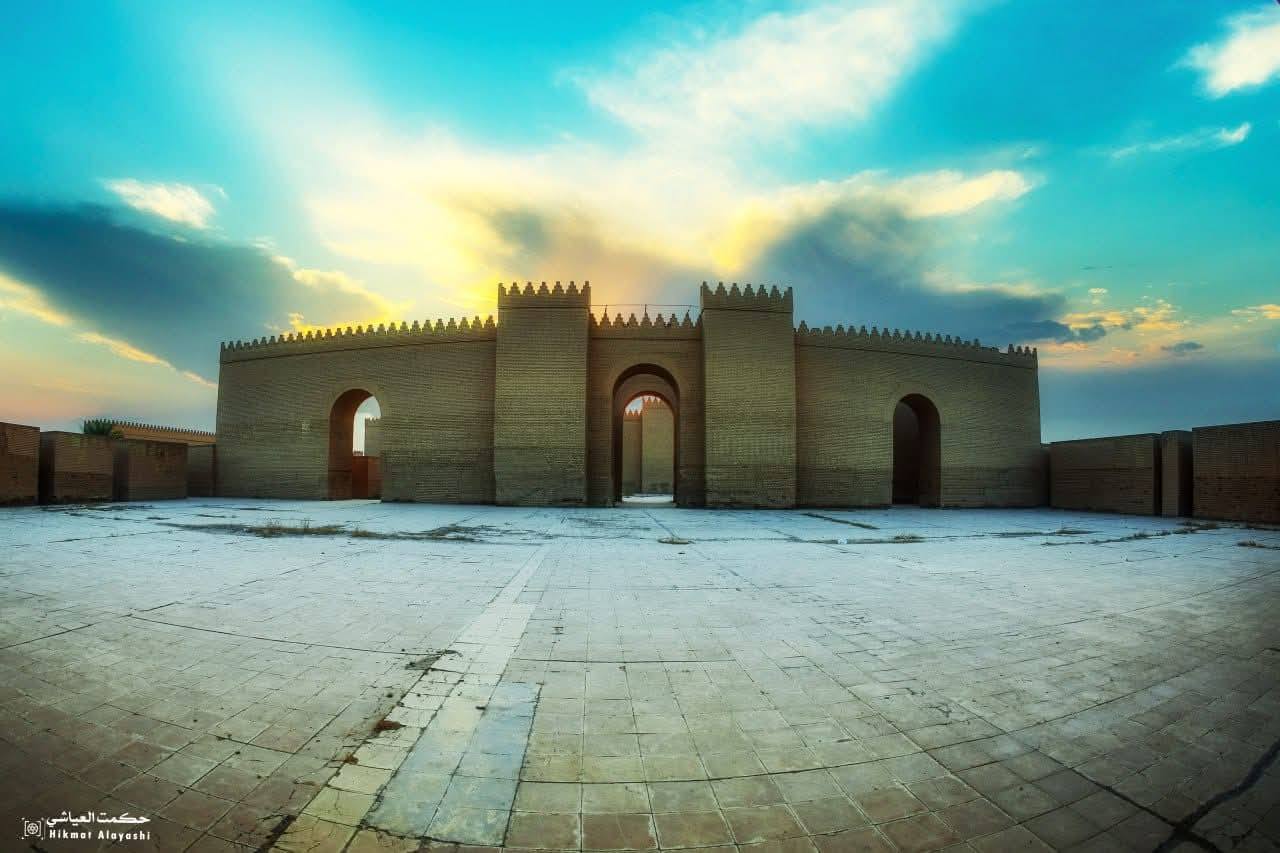
Babylon, located in modern Babil Governorate, was one of the greatest cities of the ancient world and a major center of Mesopotamian civilization. The city was associated with powerful rulers such as Hammurabi and Nebuchadnezzar II, and its name remains connected with law, empire, architecture, astronomy, mythology, literature, and world history. Today, the archaeological site of Babylon is one of Iraq’s most famous historical landmarks and one of the most recognized ancient cities in the Middle East.
UNESCO World Heritage Site of Babylon
Babylon was inscribed on the UNESCO World Heritage List in 2019, confirming its outstanding universal value as one of the most influential archaeological and symbolic sites of the ancient world. UNESCO describes Babylon as one of the largest and oldest settlements in Mesopotamia and the Middle East, with remains connected to city walls, gates, palaces, temples, and the cultural memory of one of history’s most powerful empires.
Al-Hillah, Euphrates River and Modern Babil
Babil is not only an ancient archaeological landscape. The modern city of Al-Hillah, the Euphrates River, local markets, bridges, streets, farms, palm groves, and everyday Iraqi life all shape the identity of the governorate today. This mix of ancient ruins, river life, modern streets, and living culture makes Babil one of Iraq’s richest regions for photography, history, tourism, and cultural storytelling.
What You'll Find Here
Our Babil photo gallery features diverse subjects including:
- Babylon Archaeological Site: Ancient ruins, historic walls, archaeological paths, and Mesopotamian heritage
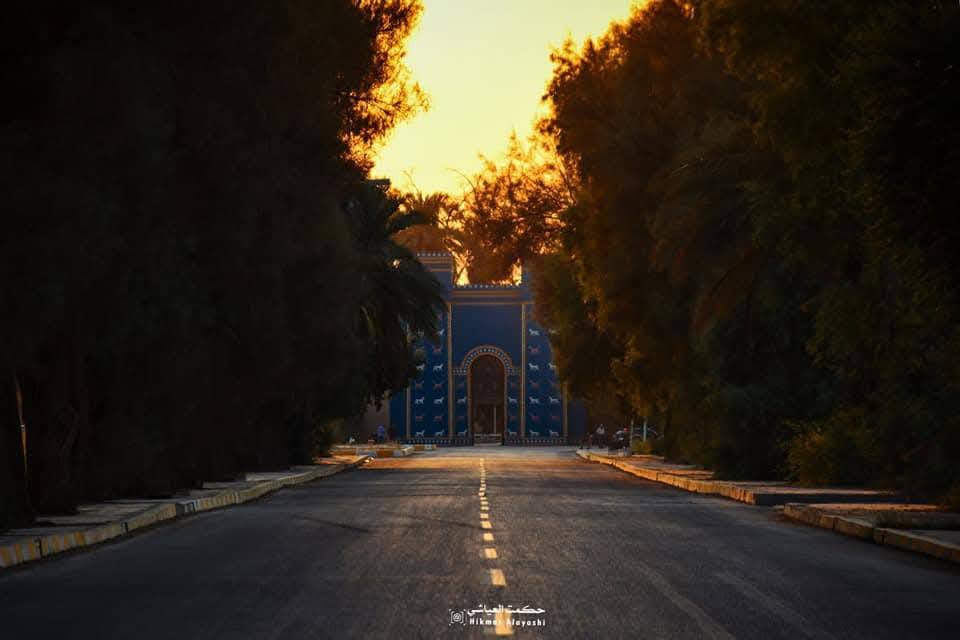
- Ishtar Gate: Babylon’s most iconic gateway, ancient brickwork, and symbolic architecture
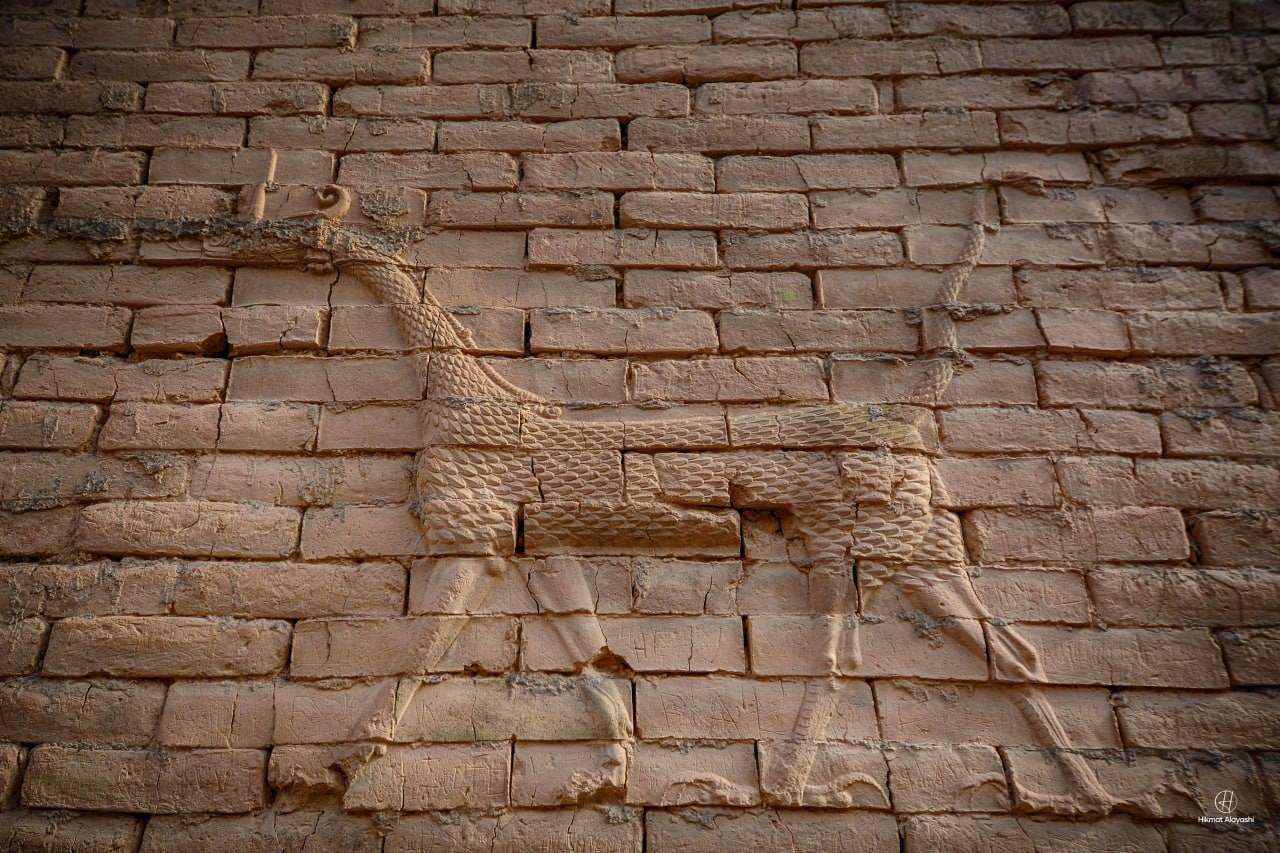
- Lion of Babylon: One of Iraq’s most famous ancient monuments and a symbol of Babylonian identity
- UNESCO World Heritage: Babylon’s internationally recognized cultural value and archaeological importance
- Al-Hillah: Modern Babil city life, streets, markets, bridges, and everyday Iraqi culture
- Euphrates River: River views, agricultural landscapes, palm groves, and life along the water
- Ancient Mesopotamia: Palaces, temples, ruins, old routes, and the visual memory of the Cradle of Civilization
- Nearby Ancient Sites: Borsippa, Kish, archaeological landmarks, and historical places around Babil Governorate
Babil, Mesopotamia and Iraqi Identity
Babil is more than an archaeological destination; it is a living region where ancient Babylonian heritage, Iraqi culture, river life, local markets, and modern communities meet. From the ruins of Babylon to the streets of Al-Hillah and the landscapes around the Euphrates, Babil offers one of the strongest visual stories of Iraq: a place where ancient civilization, world heritage, and everyday life continue to stand side by side.